16Purrsonalities Team·June 25, 2026·5 min read
Kitten Personality Test: Can You Tell What Type Your Kitten Will Be?
Kittens change fast — but early behavior patterns are more predictive than you'd think. Here's how to read your kitten's personality type, and when to take the quiz.
You've had your kitten for three weeks and you're already trying to figure out who they are.
Is this one going to be a lap cat or a bolt-from-the-room cat? A talker or a silent observer? The kind of cat who greets guests or the kind who disappears when the doorbell rings?
Good news: you can tell. Not perfectly — kittens are still developing — but early behavior patterns are more predictive of adult personality than most people expect. Here's what to look for, and when a kitten personality test will give you accurate results.
When Do Kittens Develop Their Personality?
Cat personality research generally points to the first few months of life as the critical window. Two factors shape a kitten's personality more than anything else:
Early socialization (2–7 weeks). This is the window researchers call the "sensitive period" — when kittens are most open to learning that humans, other animals, and new environments are safe. Kittens who are handled regularly during this period, exposed to different people and sounds and surfaces, tend to grow into more confident, socially flexible adults. Kittens who miss this window — feral-born, or kept isolated — tend to be more fearful and avoidant regardless of genetics.
Genetics. The father's personality, in particular, has been shown to predict boldness vs. fearfulness in kittens, even when the father has no direct contact with the litter. Bold fathers produce bolder kittens. This held up across multiple studies even when researchers controlled for the mother's influence.
By about 6–8 months old, a kitten's core personality is largely established. The cat you see at 8 months is very close to the cat you'll have at 8 years.
What Early Behavior Actually Predicts
Even in young kittens, certain patterns are meaningful:
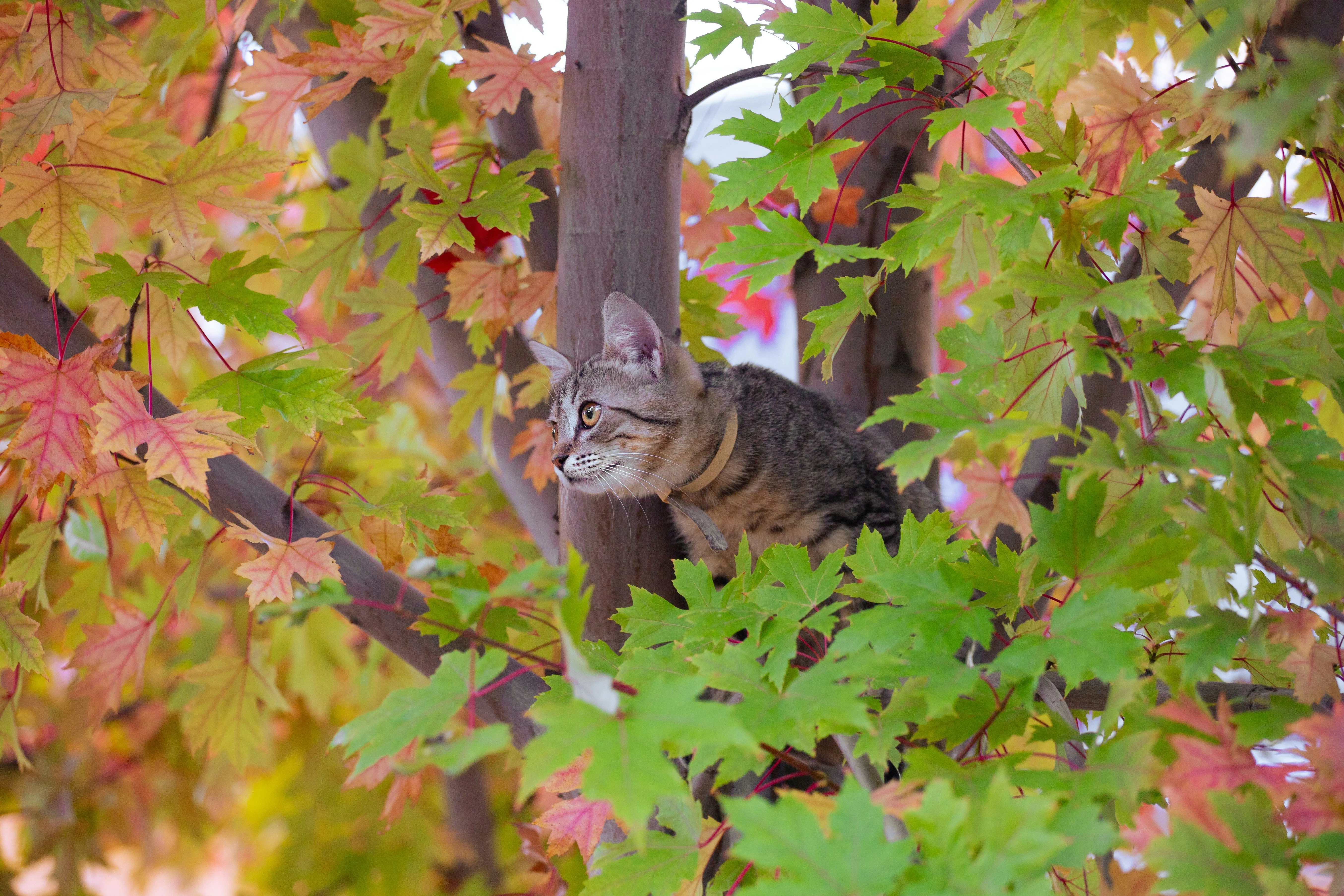
How they respond to a novel object. Put something new — a paper bag, a toy they've never seen — in their space and step back. Does the kitten approach and investigate immediately (bold, curious, likely extroverted), or hang back and observe from a distance (cautious, sensor-type, possibly introverted)? This approach/avoidance pattern in novel situations is one of the most consistent early predictors of adult personality.
How they respond to a stranger. When someone they haven't met picks them up, does the kitten settle or squirm? Vocalize or go quiet? The stress response in novel social situations is strongly predictive of adult social orientation.
How much they seek physical contact. Some kittens want to be near you constantly. Others engage and then retreat. The base level of contact-seeking in kittens tends to be stable into adulthood — even if it varies with mood, the overall average stays consistent.
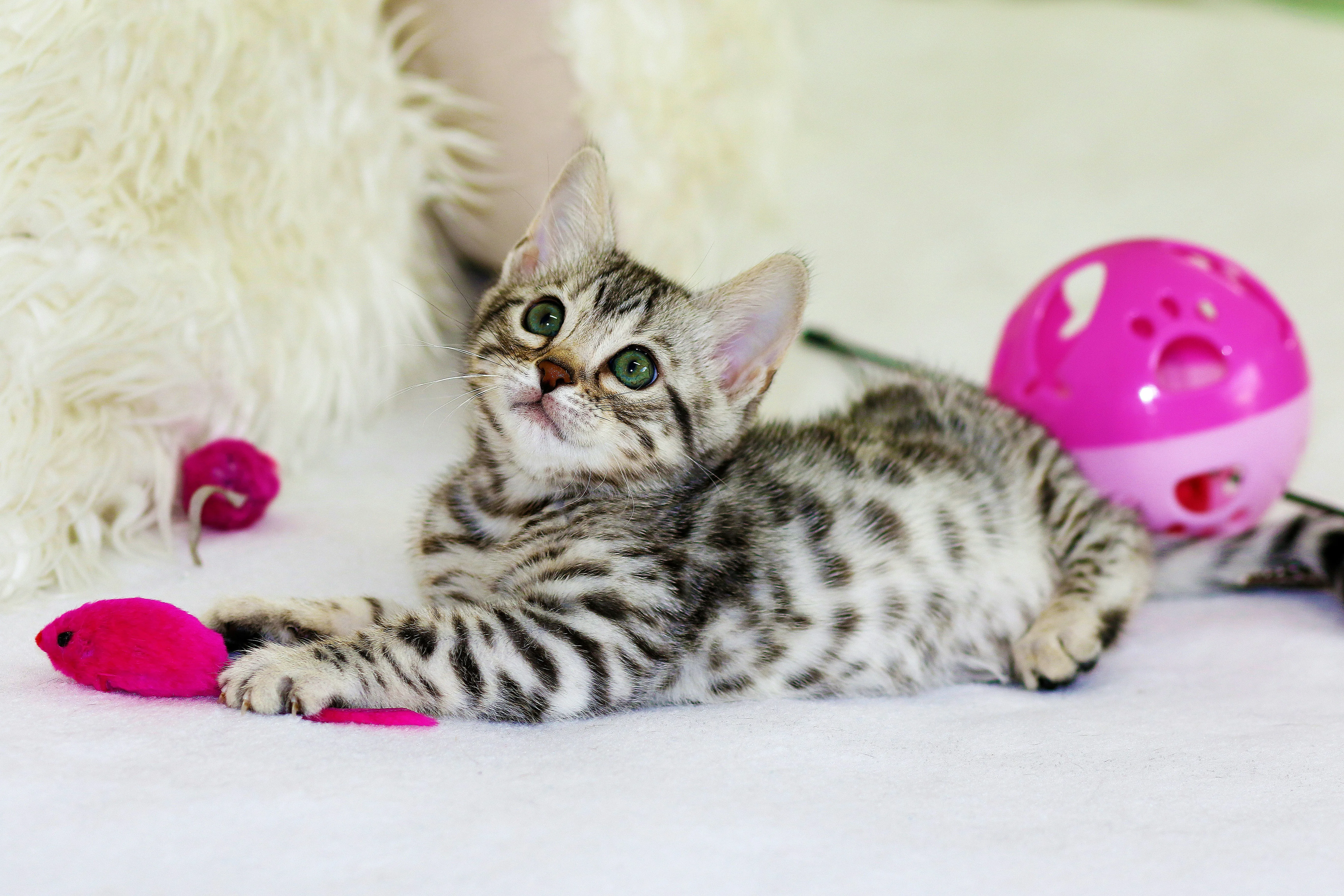
How they play. High-intensity, variety-seeking play with lots of vocalization suggests extroverted types (ESFPs, ENTPs, ENFPs). Methodical, focused play — the kitten who stalks one toy with complete concentration rather than batting at everything — suggests more introverted, sensor types (ISFPs, ISTPs).
When to Take the Kitten Personality Test
The 16 Purrsonalities quiz is built around observed behavior, which makes it more accurate than tests based on breed or coat color. But it works best when there's enough behavior to observe.
Under 3 months: Results will be unreliable. Kittens this young are still heavily influenced by moment-to-moment developmental changes. You might take the quiz and get a result that shifts significantly a few weeks later.
3–6 months: You'll start to see consistent patterns, especially around social orientation (does this kitten seek people out?) and stress response (how do they handle change?). Results at this age are a reasonable early indicator, but treat them as tentative.
6 months and older: This is when the quiz gives its most reliable results. By 6 months, the core personality dimensions — introversion/extroversion, sensory vs. intuitive processing, feeling vs. thinking orientation, preference for structure vs. flexibility — are largely stable.
If your kitten is under 6 months, you can still take the quiz for an early read. Just know the result might shift slightly as they continue to develop — worth retaking at a year old to confirm.
What to Do With Your Kitten's Type
Once you have a result, the type profile will tell you things that are immediately useful:
- Whether your kitten is likely to stay social with strangers or get more selective as they age
- How much alone time they'll need vs. how much stimulation
- Whether they'll do well with other cats, and what personality types they tend to bond with
- What kind of play and enrichment suits them
A kitten who tests as an ENTP will need constant mental stimulation as an adult — puzzle feeders, environmental complexity, things to investigate. The same kitten bored and under-stimulated becomes destructive. Knowing this early lets you set them up for success rather than retrofitting solutions later.
A kitten who tests as an ISFJ will need consistency. Changes to routine, new people, new environments — these are harder for them. They're deeply loyal cats, but they thrive with predictability. Knowing that at 8 months means you're not surprised when your cat hides every time you rearrange the furniture.
The cat personality test is free and takes about three minutes — short enough to do it now, useful enough that you'll want to.
Keep reading
5 min read · Jun 2026
Cat Personality Test for Humans: Which Cat Type Would You Be?
The cat personality test asks about your cat's behavior. But which of the 16 types would you be if the quiz were asking about you? Here's how to figure it out.
7 min read · Jun 2026
What's Your Cat's Zodiac Sign? And What Does It Say About Them?
Enter your cat's birthday to discover their zodiac sign — then read what it says about their personality, quirks, and what they secretly need from you.
7 min read · Jun 2026
Maine Coon Personality: What the Gentle Giant Is Really Like
Maine Coons are called the dogs of the cat world — and the comparison holds up more than you'd expect. Here's what their personality is actually made of, and which MBTI types they most commonly turn out to be.
16Purrsonalities
Find out which of the 16 Purrsonalities your cat actually is
The quiz draws on the same personality dimensions the science validates. Takes 3 minutes.
Take the Free Quiz →