Maine Coon Personality
The memes, the science, and what thousands of quiz results actually reveal.
The Internet Says...
Most cat breeds have a vibe. The Maine Coon is unusual in that it has two vibes that seem like they should contradict each other but don't.
The first vibe: the gentle giant. Big, calm, patient, good with kids and dogs, happy to be around people without demanding anything from them. The cat that's easy to love and impossible to dislike.
The second vibe: the chaos cat. The one that drops its toys in the water bowl. That chirps at you like it's trying to have a full conversation. That figured out how to open the treat cabinet three months ago and has been letting you think you still have control.
Both are accurate. The Maine Coon is a large, socially intelligent animal with strong opinions about how things should be done — who also happens to be completely laid-back about most of them. That combination is rarer than it sounds.
The Dog-Cat Thing Is Real
The "dogs of the cat world" label gets applied to several breeds, but Maine Coons probably earn it more than most.
- They follow you. Not anxiously — Maine Coons aren't known for separation issues. They just find your location interesting and would like to be nearby. Not on you. Not underfoot. Just in the same room, doing their own thing in your vicinity.
- They play fetch. Not every Maine Coon, but enough that it's a documented breed characteristic. They'll bring a toy back, drop it at your feet, and wait. If you don't throw it again, they'll nudge it toward you.
- They walk on a leash. Maine Coons are one of the most trainable domestic cat breeds. Their working cat background gave them the confidence and adaptability to navigate novel environments without freezing.
- They chirp. Not meow — chirp. A soft, trilling vocalization more like a bird than a standard cat sound. They use it conversationally: entering a room, getting your attention, spotting something interesting outside. It reads as communication rather than demand.
- The water thing. Many Maine Coons dip their paws in the bowl before drinking, drop toys into the water dish, and supervise the running tap with visible interest. Consistent enough to be considered a breed trait.

What Science Says
Maine Coons aren't a designed breed. They evolved through natural selection in one of the harshest climates in North America — descended from longhaired cats brought to New England by European sailors and settlers in the 17th and 18th centuries. These were working animals on farms and ships, selected over generations for capability: the ability to hunt, withstand brutal winters, and function in chaotic, social environments.
Their coat reflects this. The semi-longhair, water-resistant coat is heavier on the ruff, stomach, and britches — the parts most exposed to snow and wet — and shorter on the back. Their notably large, tufted paws function like snowshoes. These aren't decorative features.
What that origin story explains about their personality:
Confidence, not anxiety. A cat breed selected for working in uncertain environments tends to be adaptable and calm under novel conditions. Maine Coons are almost universally described as unflappable. New visitors, new pets, unusual situations — most Maine Coons process these as interesting rather than threatening.
Intelligence as a survival trait. Problem-solving wasn't optional for working cats. Maine Coons are consistently rated among the more trainable, puzzle-oriented domestic breeds. The door-opening, the fetch, the leash walking — these aren't party tricks.
Sociability without neediness. Working cats lived around people and other animals constantly. They had to be tolerant and cooperative, but also functional independently. Maine Coons landed in a specific range: deeply social, genuinely warm, but not fragile. They want to be around you. They don't need you to be okay.
Maine Coon MBTI: Which Types Show Up Most
Because Maine Coons come in almost every coat color and pattern, breed selection does more personality work here than genetics. The MBTI clustering tends to be more consistent than in mixed-breed populations.
ENFJ — The Ham is the most common Maine Coon type in our data, and the most intuitive fit. ENFJs are attuned to the emotional state of the people around them — warm, present, interested in connection without being overwhelming about it. The Maine Coon that follows you room to room, chirps when you get home, and settles near (but not on) you while you work is operating in classic ENFJ mode. The breed's gentleness with children and other pets also maps here: they read social situations accurately and modulate their energy accordingly.
INFJ — The Baker shows up in the quieter Maine Coons — the ones who are warm but take longer to warm up, who prefer one or two people to a houseful, who seem to understand how you're feeling without being told. The Baker description fits: cozy, deeply bonded, turning whatever space they're in into something that feels like home.
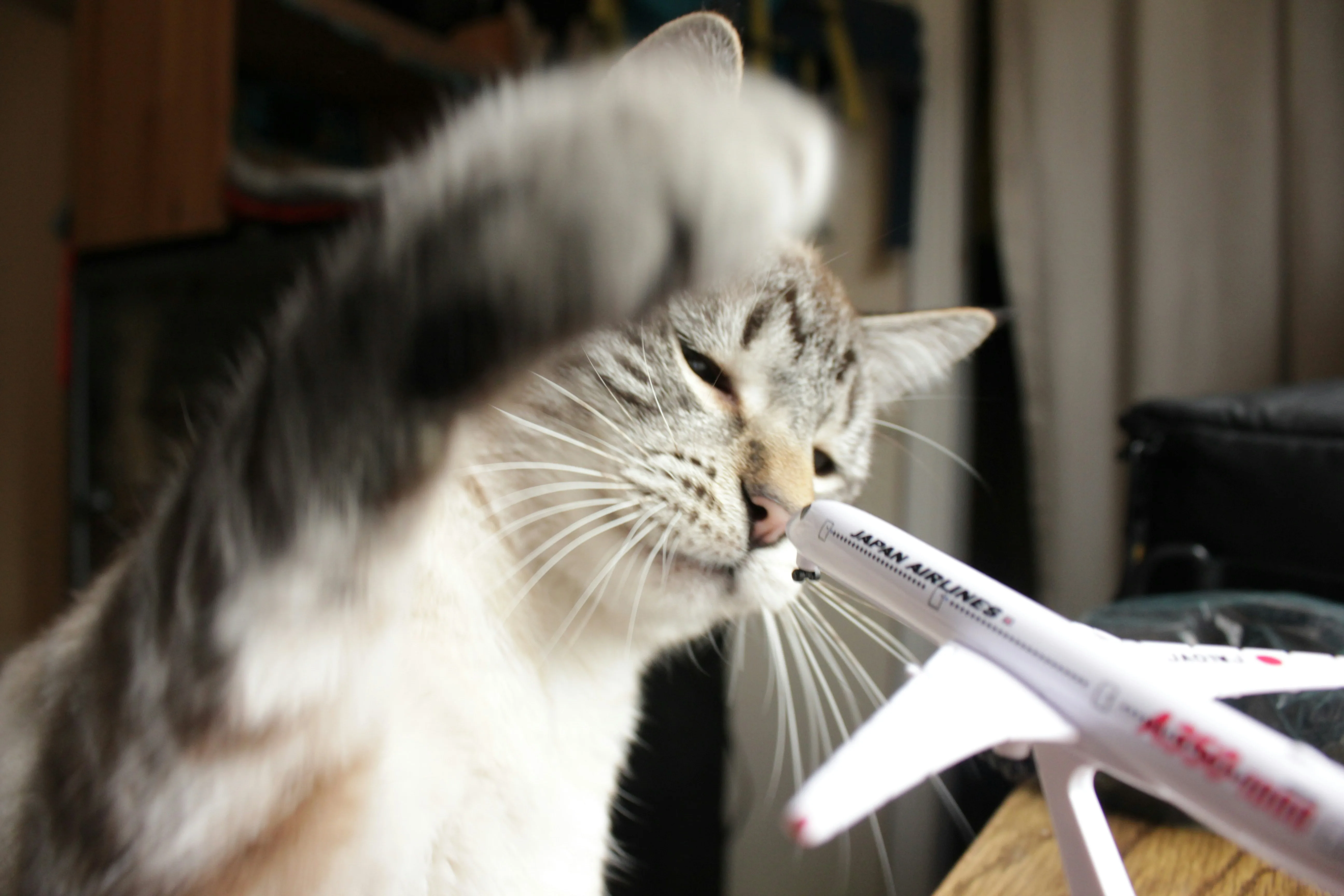
ENTP — The Mobster is the Maine Coon who opened the cabinet. The one who figured out the baby gate. ENTPs are curious, strategic, and easily bored by environments that don't challenge them — a working-cat brain with nothing to work on is going to find something. Maine Coon owners who describe their cat as "scheming" are usually describing an ENTP.
The Outliers
A meaningful minority of Maine Coons test as introverted types — ISFJs, INTPs, ISTPs. These cats are present but selective: they choose one person, engage on a schedule only they know, and have a calm that reads as aloofness to visitors but as steady companionship to the people they've chosen.
The giant Maine Coon that sits on the far end of the couch and blinks slowly at you once is not a failed gentle giant. It's a cat that trusts you enough to be itself.
Curious what type your Maine Coon is? The quiz takes about three minutes and factors in how your specific cat actually behaves — not just the breed reputation. Read our deeper MBTI breakdown for Maine Coons.
Show off your maine coon's purrsonality

What's your maine coon's actual personality type?
The internet has opinions. Science has theories. But only the quiz knows which of the 16 Purrsonalities your cat actually is.
Find Their Purrsonality →